

Is Reading Good For Your Brain? The Surprising Benefits You Didn’t Know

Denise Murphy Editor / Nov 14, 2025
Have you ever noticed that book lovers on trains or buses often seem sharper and more focused than others? The truth is simple: reading is scientifically proven to be good for your brain. Reading is more than just a way to pass the time; every page you read gives your brain a workout. In this article, we’ll dive into the magic of books, explore the science behind it, and highlight its many benefits.
Reviewed by Ron Spinabella, Editor in Chief



How Reading Affects Our Brain
Reading is more than a good habit that parents or teachers force you to form; it is a complicated neurological process that engages multiple brain regions simultaneously. When we read, areas responsible for memory, language, and imagination work together, and this explains why reading a novel can feel so mentally stimulating.
Researchers from Emory University found that reading activates more than just the language centers of the brain. Reading novels can increase connectivity in the left temporal cortex, which is associated with language comprehension, as well as in the central sulcus, a region linked to sensorimotor activity. Simply put, reading about a man running activates brain responses similar to the experience itself.
Real engagement over time enhances neural networks in the brain. Additional evidence from diffusion-weighted imaging and other studies found advanced reading performance linked to changes in structural connectivity and white matter integrity. The changes both activate old neuronal connections and create new ones which increase communication across the two brain hemispheres.
7 Key Benefits Of Reading
1. Expands Vocabulary & Language Skills
TikToks and shorts are taking up most of people’s time and attention these days. Because of that, we’ve lost patience for longer videos and struggle to maintain focus over extended periods. That often makes our way of expressing ideas more shallow and fragmented. But reading is like an escape island. It gives you a space to slow down, expand your vocabulary, and train your brain in ways short clips never could. Our brains have areas dedicated to language and communication, and reading keeps those parts sharp and active.

2. Builds Empathy & Expands Your Mind
Have you ever cried during a TV show because it was so emotional? It applies to good books too. Reading, especially novels, can take you into another world and let you experience a life different from your own. You experience the struggles, joys, and feelings of the characters, which allows your mind not only to experience other perspectives, but to better understand the world around you. Over time, you build this immersive experience of reading, so it not only strengthens your empathy, but it expands your emotional intelligence as well. The more you read, the more your mind is able to put itself in someone else's shoes, the more you can see beyond yourself.
3. Improve Sleeping Quality
Many of us have experienced nodding off or even dozing off over a book during class. Books seem to carry a certain magic that gently draws us toward sleep, especially printed ones. When used intentionally, reading before bed helps the mind away from the constant stimulation of screens, making it easier to relax and sleep.
4. Improves Focus & Concentration
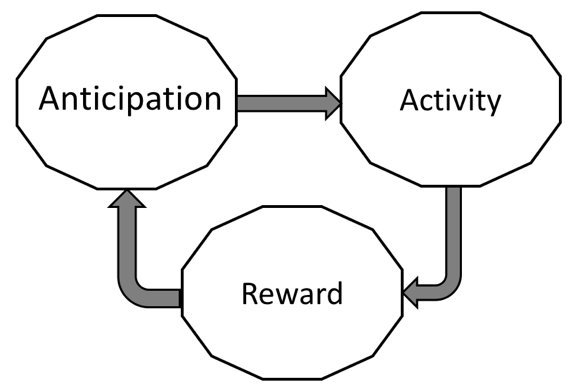
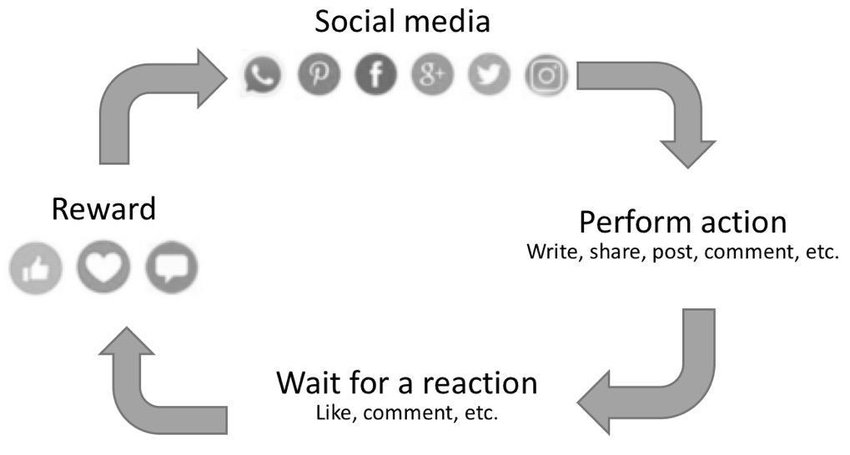
While mobiles give us a way to avoid embarrassment when we are waiting alone in public or standing idle in a social setting, they also train us to shift our attention constantly. American neuroscientist Robert Sapolsky had the idea of “magic maybe”. Similar to Schrodinger's cat, each time we check our phone we may or may not find a notification. This unpredictability triggers a burst of dopamine that quickly fades, driving the brain to seek it again and leading people to check their phones unconsciously even when there is no new notification. Interestingly, a multimodal study finds that healthy older adults sustained attention better than younger adults and did not exhibit vigilance decline over time. Although no direct evidence links these findings to phone habits, it is plausible that older adults are less likely to check their phones when they have nothing to do.
Books, on the other side, allow people to be fully engaged and block out distracting notifications for a long time. It needs time to understand and digest a narrative or argument without instant rewards, which practice the ability to delay gratification. Over time, this train longer spans of concentration and deeper focus, which also benefits problem-solving skills.
5. Enhances Memory Integration
When we read long novels, we often need to recall earlier characters, plots, and subtle details in order to follow the unfolding plot. This process of retrieving information strengthens memory integration in the brain. Over time, it not only has a strong understanding of the narrative but also supports long-term memory resilience.
6. Building the Capacity for Solitude
Although scrolling through phones is relaxing and entertaining, it still inundates us with other people’s thoughts and opinions. Books, on the other hand, create a space for us to enjoy being alone with our own thoughts. Like writing a diary or journal, reading allows us for sustained reflection and direct engagement with our inner world. Reading can be considered an act of psychological autonomy; this practice can create comfortable space for individuals to become silent and less reliant on immediate external stimulation.
7. Reduce Stress
Reading books allows you to immerse yourself in another person’s story or experiences, creating a temporary escape from messy reality. From this perspective, reading can be a good way to get a break from work, school, or other stressful aspects of life for a while. In a study from McGill University indicated that recreational reading significantly correlated with lower levels of psychological distress during the school year. The researchers proposed reading acted as a buffer against the frustration of unfulfilled psychological needs and, for many college students, reading can promote better mental health.
Reading vs. Other Activities
| Aspect | Reading | Scrolling Phone | Watching TV/Movies | Playing Games |
| Depth of Focus | High & Sustained | Fragmented | Medium & Passive | Medium–High, but short bursts |
| Imagination | Strongly stimulated | Minimal | Minimal | Guided by game design |
| Type of Stimulation | Internal | External | External | External |
| Emotional Effect | Calming, empathy-building | Quick highs & anxiety | Fleeting emotional engagement | Exciting, sometimes stressful |
| Long-term Benefit | Expands knowledge, improves memory and critical thinking | Weakens focus over time | Relaxing but limited cognitive growth | Trains reflexes but risk of overstimulation |
| Personal Growth | Builds empathy, creativity, independence | Rarely supports growth | Some cultural insight | Can teach teamwork, but addictive risks |
Tips to Make Reading a Habit
Start Small
Starting a new habit can be overwhelming, so begin with something simple. Even 5–10 minutes of reading a day is enough to create consistency.
Set a Routine
Pair reading with another habitual activity. By doing the two together, you're increasing the chance that reading naturally becomes part of that routine (for example: read in bed before sleep or read on your commute).
Read What You Enjoy
You don’t need to force yourself to read classics or “serious” books to look smart. Reading fun or entertaining books counts too! And it's still good for your brain.
Limit Distractions
Put your phone away or switch to “Do Not Disturb” mode to block interruptions and you can remain focused on reading.
Keep a Book Handy
Carry a physical book or use an e-reader so you can read whenever you have a few moments of time.
Final Thoughts
Reading is more than a way to pass time; it's a workout for your brain, and a way to improve your mental health. You read stories and deeply engaged with text that build connections in your brain. Even if it's not heavy fiction, or a light story, thinking of building reading into your habit every day can help you be more focused. Start reading today; your mind will be better off bringing you to that.
Disclaimer
Any assessments and their associated content on this website, regardless of date, are not intended to replace direct medical advice from your physician or other professional. If you experience severe or persistent symptoms, please consult a licensed mental health professional or healthcare provider.