

How to Improve Concentration: A 6-Step System for Laser Focus at Work & Study

Rebecca Gayle Contributor / Jan 29, 2026
In today's world, with information overload, concentration is now regarded as a rare superpower. You sit down to do something, and 30 minutes later, you are mindlessly scrolling through Facebook because you lost track of what you were doing, which causes frustration and anxiety.
Reviewed by Ron Spinabella, Editor in Chief



What Exactly Is Concentration?
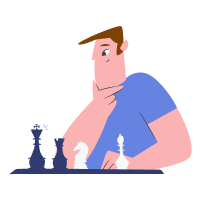
Concentration is the process of applying cognitive resources (such as attention and mental energy) toward a single task, object, or thought while ignoring or blocking out other information.
Concentration vs. Focus:
Although these terms are often used synonymously, they refer to two different, yet interrelated, aspects of attention.
Focus (selection) – Focus is the selection of one option or avenue of attention among many alternatives.
Concentration (application) – Concentration refers to the act of applying focused energy to a particular focus over time (one hour of uninterrupted focus on the assigned report).
Concentration and focus are both necessary elements of deep work.
Why Is Concentration So Important?

Your attention plays a key role in everything that you do or experience.
Learning & Memory: If you learned while trying to multitask, you would have made weaker/more fragmented memories. When you pay close attention to what you learn, it goes from short-term memory to long-term memory.
Work Performance: The better you focus on one thing you are, the higher the quality and quantity of work you will produce. Deep concentration enables complex problem-solving and creative breakthroughs.
Decision-Making: The best decision is made by considering each option and its consequences at the time of making the decision. Distracted decision-making usually leads to more errors.
Skill Development: Mastering any skill requires ‘focus’ on the detailed steps of learning the skill. Repeatedly practising the skill, under the same conditions, increases your chances of mastering the skill.
Relationships & Communication: True listening requires giving someone your full attention, which creates a more comfortable environment for honest discussions.
Emotional Regulation: Where you direct your attention influences your emotional state. Rumination (focusing on negatives) increases anxiety, while mindful attention to the present can reduce it.
At the end of the day, your attention creates your 'reality' (what you see, hear, feel, and experience). The time and energy spent improving this ability will bring value to all aspects of one’s life.
Why Can't I Focus?

What causes distraction? Distraction can come from both inside and outside an individual.
Externally, there are:
Digital Distractions: Messages, notifications, email, calendar appointments, social media postings, etc.
Environmental Distractions: Clutter, noise, visual movement, and interruptions from other people.
Multitasking Requirements: People often are expected in their work and/or lifestyles to manage multiple responsibilities at once.
Internally, distractions can be caused by:
Physiological Distress: Lack of sleep, inadequate nutrition, contracting fluids (dehydration), and sedentary lifestyles.
Psychological Distress: Stress, anxiety, and boredom, unfulfilled motivation or goals.
Cognitive Distress: The tendency for our brains to "wander" (which is referred to as the default mode network) and base every thought or activity on previous experience, which creates an environment in think we can handle many things at once.
The concept of multitasking is one that can create a very incorrect and damaging perception. When someone switches from one task to another, they create "task-switching residue," which is the result of part of the brain being occupied with the previous task, resulting in decreased total cognitive capacity and increasing the potential for mental fatigue.
How to Improve Concentration? 6 Practical Tips

The Physiological Foundation (Non-Negotiable Basics)
If this layer is unstable, all other strategies will falter.
1. Sleep: Most essential to improving brain concentration
A. Scientific Reason - The glymphatic system cleans up metabolic waste products during healthy sleep. A lack of sleep will hinder concentration by limiting blood flow to the frontal lobe region.
B. Actionable Strategies:
Make it a priority to consistently wake up at the same time each day (Daily Rhythm)
Create a 60-minute "wind-down" routine before bed, free from screens and work.
Create an environment conducive to sleep – keep it dark, cool, and quiet.
2. Nutrition and Hydration - Fueling Your Brain
A. The Science: The brain requires 20% of energy from food. When there are large spikes in blood sugar, it creates fluctuations in the body's energy and leads to cognitive issues (brain fog). Even mild dehydration (1%-2%) can negatively affect cognitive ability.
B. Actionable Strategies:
Use slow-release carbohydrates (oatmeal, sweet potatoes) with protein and fats to maintain stable energy levels.
Include foods that are good for your brain – fatty fish are an excellent source of Omega-3, berries (antioxidants), and leafy greens provide B vitamins.
Place a bottle of water at your desk and take small sips frequently. You may need to set reminders to drink throughout the day.
Energy & State Regulation (Mental Resource Provision)
This layer provides you with the energy and also the calmness necessary for you to maintain focus over the long term.
3. Exercise: The Ultimate Cognitive Enhancer
A. The Science: Engaging in physical activity causes blood to flow more freely in the brain, increases the production of neurotrophic factors (like brain-derived neurotrophic factor, BDNF) that help keep neurons healthy, and releases neurotransmitters (dopamine and norepinephrine) that assist in maintaining attention.
B.Actionable Strategies:
For a quick boost of focus: quickly walk for five to ten minutes or perform bodyweight exercises whenever you feel lethargic.
For the long-term: try to work out for 150 minutes per week at a moderate intensity and perform strength training two to three times a week.
4. Mindfulness and Breath Techniques: Learning to Use Your Attention Muscle
A. The Science: Practising mindfulness strengthens two areas of the brain: the anterior cingulate cortex and the prefrontal cortex, which are responsible for directing attention and for monitoring one's focus. Practising mindfulness also reduces activation of the default mode network, which is responsible for mind-wandering.
B. Actionable Strategies:
Start with five to ten minutes of mindfulness meditation, focusing on your breath and gently bringing your attention back to your breath whenever your mind wanders.
When you become distracted, use the breathing anchor technique: Take three slow, deep breaths through your diaphragm to reset your nervous system and bring your focus back.
Cognitive & Environmental Strategy (Direct Application)
The use of cognitive and environmental strategies is the application of these theories to practice.
5. Cognitive Training & Strategies
A. The science states that structured practices can improve working memory and inhibitory control, which together create focus.
B. Actionable Strategies:
"Single-tasking": Work for an uninterrupted amount of time on one activity at a time.
"5-Minute Rule": Spend a minimum of five minutes working on something you don't want to do. Once in motion, many people keep working until the job is complete.
Active Recall: After you complete reading or learning something, close your materials and attempt to summarise/explain the contents from memory.
Structured brain training can be a supplementary tool, with the clearest benefits seen in the specific tasks practised.
6. Environmental Engineering (Focus on designing your surroundings to facilitate your concentration.)
A. The science states that when you limit the number of external demands on your willpower to resist distractions, you have more of your cognitive resources to devote to your work.
B. Actionable Strategies:
You should only create a workspace with the minimum amount of physical clutter that is required for you to complete your current task.
Perform a "Digital Detox": Turn off all unnecessary notifications. Set website blockers. Check emails at a predetermined time.
Manage what you hear. You can use noise-cancelling headsets, play the sound of nature, or other soothing noises to reduce the effects of environmental disruption.
Finding Solutions that Work for You

Use the tips below based on who you are/who you want to be.
Working Adults (Deep Work & Increasing Productivity):
Schedule "focus sprints" on your calendar to eliminate distractions. Be sure to let co-workers know when you will not be available.
Create batches of similar tasks (i.e., email, calls, admin) so you are not constantly switching from one task to another.
At the end of the workday, identify your most important tasks for tomorrow to accomplish first.
Students (Learning):
Use the Pomodoro method of 25 minutes of focus followed by 5 minutes of break time, when paired with more active study techniques such as the Feynman Technique or Cornell method of taking notes.
Before going to lectures or reading, preview the content of the lecture/reading; write down your questions beforehand. This will help you pay attention better.
Designate an area of your home for studying only! This should not be used for eating, playing video games, or social media.
Parents (Helping Kids Build Focus):
Encourage your child to engage in unstructured physical play. This is essential for your child to develop the skills needed to regulate their attention.
Consistently develop a routine for homework and bedtime, and stick to it.
Make tasks more engaging and fun by using timers or other types of rewards to encourage your child to do their best.
Model focused behaviour, and create tech-free time or space in your home, for your child to develop similar behaviours. If your child continues to struggle with focus or attention, consult a paediatrician or child psychologist.
Frequently Asked Questions

Q: How quickly will I see results in terms of improving my concentration?
A: The physiological changes associated with improved sleep habits, increased water intake, and increased physical activity levels might occur within days after implementing these changes. It usually takes between 4-8 weeks of consistently practising mindfulness techniques and cognitive strategies to develop stronger Attention/Focus muscles and start to make any noticeable differences in your ability to concentrate.
Q: Are there any concentration supplements like caffeine or L-theanine that really work?
A: Concentration supplements, such as caffeine, will help to provide greater alertness and more effective concentration levels for a short period of time. Although some of these products can enhance the effects of working out, concentration supplements should be viewed as an aid and not as a solution to long-term concentration problems.
Q: I've tried everything and still can't concentrate. What now?
A: Chronic, severe difficulty with concentration may be a result of another underlying medical condition, such as Attention Deficit Hyperactivity Disorder (ADHD), Anxiety, or Depression; therefore, a person experiencing chronic difficulty concentrating is strongly encouraged to see a qualified medical provider and/or clinical psychologist for thorough evaluation of their concentration difficulties.
Conclusion: Building Concentration

You build your concentration through smart practice and supportive habits—not because you were born with the ability. You could not attempt to implement all of these strategies at once. Start by looking at your sleep, food, and water intake—this is the foundation for everything else. Once you have established this foundation, add in one practice, like 5 minutes of meditation or doing one thing at a time during your best working hour.
The goal is not to be a productivity robot; the goal is to take back control over what you focus on, and to make sure that you focus on what really matters to you, whether it is your job, learning something cool, or spending quality time with family. Your attention is your most valuable asset, so start investing in it now.
Disclaimer
Any assessments and their associated content on this website, regardless of date, are not intended to replace direct medical advice from your physician or other professional. If you experience severe or persistent symptoms, please consult a licensed mental health professional or healthcare provider.