

How to Improve Reaction Time

Denise Murphy Editor / Dec 4, 2025
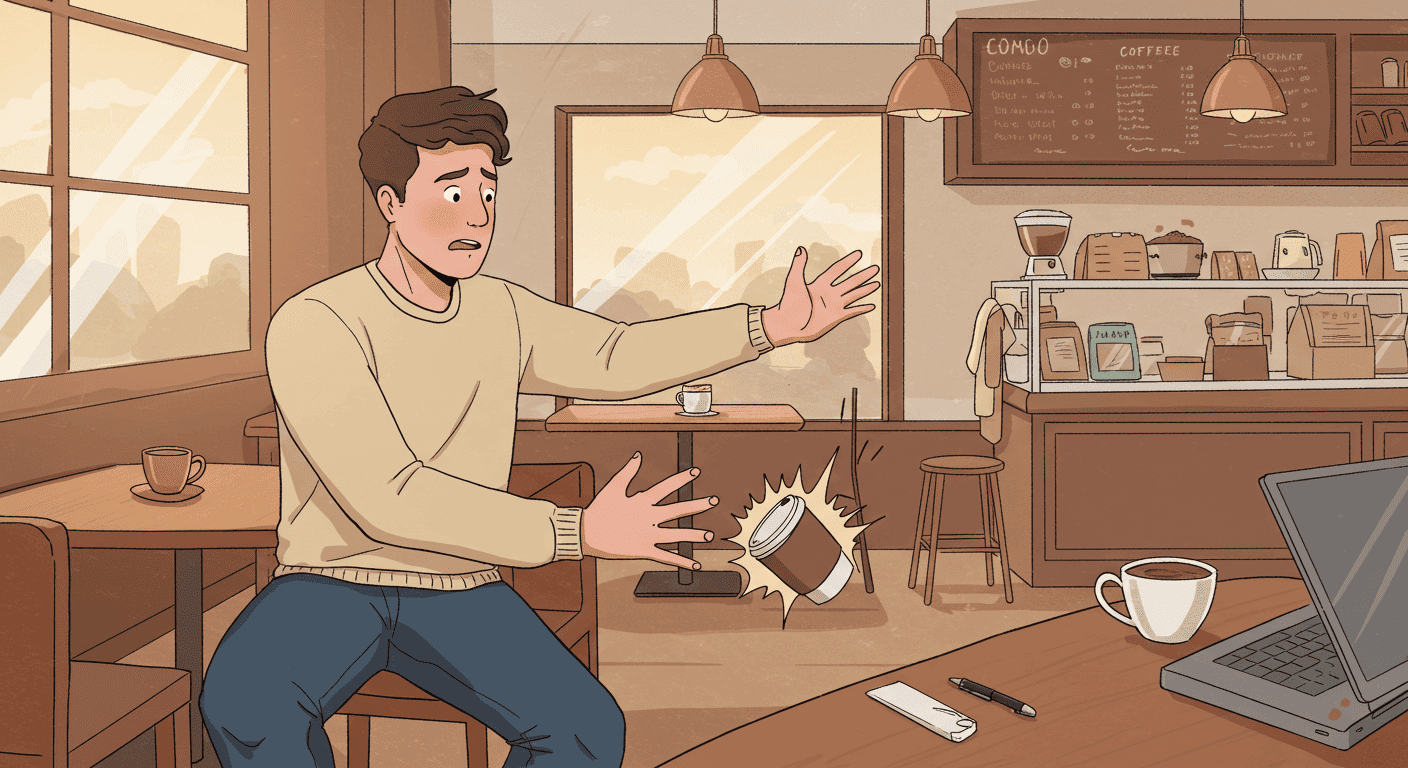
Thinking of reaction time, the first image that might pop up in our minds might be an Olympic runner or swimmer trying their best to gain an advantage at the start line in the shortest possible time. But other than these thrilling moments, reaction time also plays a role in our daily lives from catching a falling object to responding quickly in traffic. In this article, we’ll find out what reaction time is and share some practical tips to improve it.
Reviewed by Ron Spinabella, Editor in Chief


What is Reaction Time
Most people would think reaction time is the time it takes to perceive a stimulus, but that’s only part of it. Technically speaking, reaction time also includes the time it takes to respond. In simple terms, it is the gap between something happening and you acting on it.
Reaction time isn’t just for athletes at the starting line; it affects everyday life too. One of the most common examples of reaction time in daily life is gaming. Games like Call of Duty or Fortnite have players dodging attacks and aiming quickly. In the real world, reaction time might be hitting the brakes at a red light or swerving to avoid an accident. Whether in a virtual game or in real-life situations, these reactions are all driven by our nervous system processing stimuli and sending signals to our body.
However, the stimulus doesn’t have to be dramatic as our senses are constantly at work. Even when the curtains are suddenly drawn open in the morning can make us close our eyes unconsciously. Sometimes, though, reactions involve a chain of triggers. Signals travel through the central and peripheral nervous systems, reaching the body parts that need to respond.
Factors That Affect Reaction Time
Because the nervous system is involved in reactions, a number of factors must be considered. Some of those factors are in the internal range, and others are related to external conditions.
- Age – Neural processing naturally slows with aging
- Sleep – A minor lack of rest can make reactions noticeably slower
- Emotions – Strong feelings interfere with focus and slow responses
- Distractions – Noisy environments distract attention
- Nutrients – Deficiencies impair concentration and reaction time
- Substance use – Alcohol, drugs, or certain medications disrupt nervous system function
- Genetics – Inherited traits set the reaction speed baseline
Once we know what affects reaction time, it’s easier to see why people respond at different speeds.
Why Is Improving It Important
Improving reaction time benefits various aspects. For example, many viral videos show people attempting to catch sticks dropped from a height, exercises like these challenge reaction time, stimulate the nervous system to maintain active. Such challenges help to boost cognitive skills like focus and hand-eye coordination. Plus, seeing measurable improvements can be both satisfying and motivating, making it worthwhile for both practical and personal reasons.
How to Improve Reaction Time
Building on what we know about the importance of reaction, we may consider taking actions from the following aspects to improve it:
Physical Training:
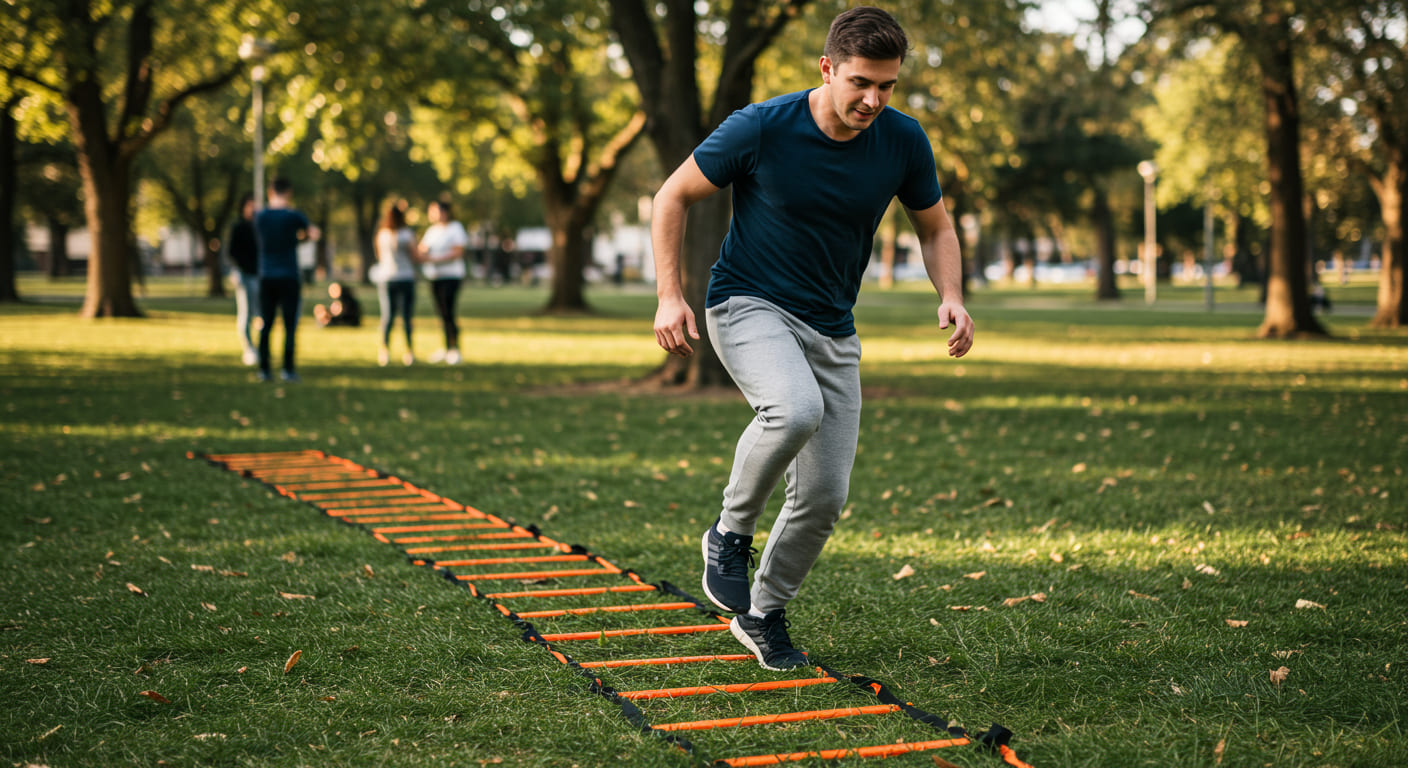
Exercise is one effective way to improve reaction time. Agility drills like ladder runs and cone exercises involve a series of body movements that demand quick responses and coordinated actions, leading to your enhanced reaction speed and your stronger fitness. In addition, research has shown that aerobic exercise is associated with faster cognitive processing and executive control. Starting with simple activities like badminton or ping-pong can be particularly helpful for hand-eye coordination. Meanwhile, strength training enhances neuromuscular efficiency and rapid force generation, enabling the body to respond more quickly and accurately to stimuli.
Cognitive Training:
Compared to physical training, cognitive training requires less physical effort while effectively improving reaction speed and mental agility.
Mindfulness and Meditation
Mindfulness is a good way to help the brain stay calm and reduce mental lag. By improving mental clarity, you’ll start noticing auditory cues that you might normally miss. In the long run, it allows you to react more quickly, as you become more sensitive to subtle changes in your environment and better able to respond to them.
Challenge Your Brain:
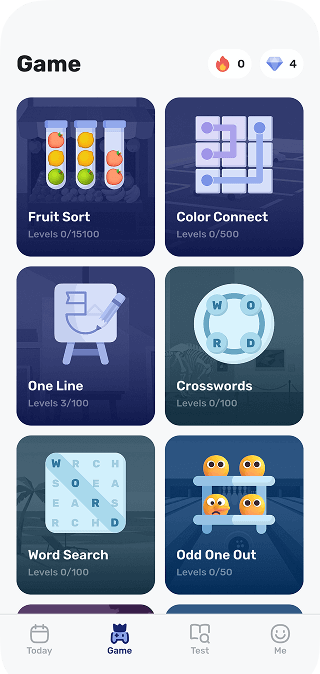
Unlike regular video games, puzzles, or brain games, they often are not as thrilling or exciting. These games involve quick-decision tasks, often visual tasks, which train players to recognize colors, shapes, or numbers quickly. These games work your memory and pattern recognition skills, which help your brain make quicker and more accurate decisions and reactions. Give it a try for free with our brain games app.
Minimize Distractions
Our environment is often filled with noise, notifications, and visual clutter. This forces the brain to spend extra time figuring out what’s relevant before taking action. To stay sharp at work, keep your desk organised and set your phone to work mode to minimise unnecessary distractions. Similarly, at home, maintaining a tidy space, like keeping clothes in order can help you avoid wasting attention on clutter. The fewer distractions competing for your attention, the faster your brain can process information and trigger the right response.
Lifestyle Habits Optimisation
Prioritize Quality Sleep
We all know 8 hours of sleep is important, but when it comes to reaction time, quality matters just as much as quantity. Quality sleep allows your brain to recharge, giving you a refreshed mind ready to react quickly all day.
Stay Hydrated Daily
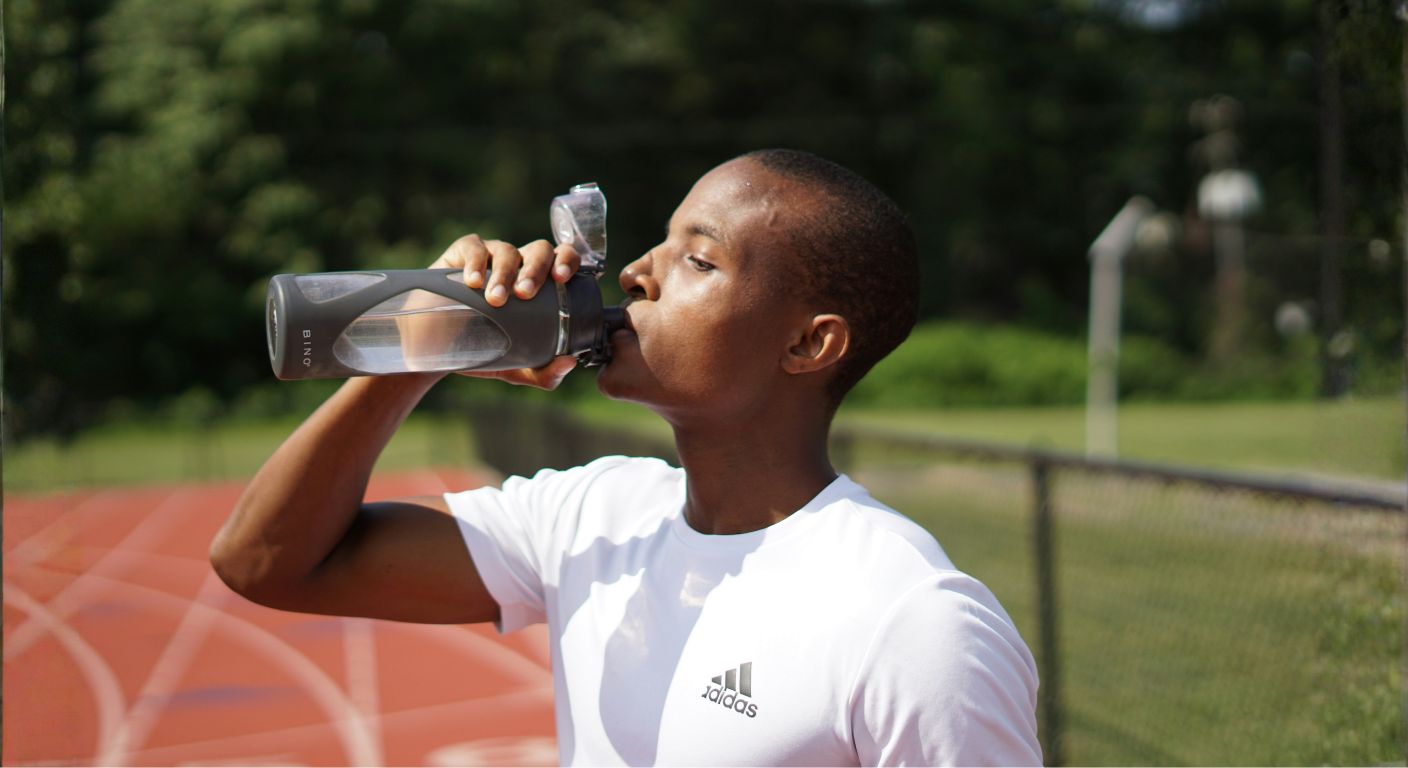
We often say that water is the source of life, and your brain proves it. What comes as a surprise for most people is that the brain contains about 70% water, even more than the rest of your body. Don’t underestimate the impact of dehydration; losing just 1-2% of your body’s water could slow your thinking and reaction time. Drinking enough water keeps your mind sharp and react quickly.
Maintain a Healthy Diet
Your diet can influence the function of your brain and reaction time, and a healthy diet will provide the necessary nutrients to fuel your brain. Compounds like omega-3 fatty acids, which are found in fish, have been proven to support brain function and lower inflammation.
We all know that blueberries are good for your vision. But what you might not know is that blueberries can also help with reaction speed. The University of Reading conducted a study that found children supplied with acute wild blueberries improved their reaction speed by approximately 9% on tasks presented on a computer, without compromising task accuracy. Although it may not apply to everyone, eating a healthy diet and considering appropriate supplements wouldn’t be a bad idea.
Final Thoughts
Reaction time isn’t just for athletes or gamers; it affects everything from dodging a puddle to nailing that last-minute work decision. The good news is it’s trainable. By sleeping well, reducing distractions, and playing brain games, you can give your brain a serious boost. The faster you react, the sharper you feel, and the more in control of life’s little surprises you become.
Disclaimer
Any assessments and their associated content on this website, regardless of date, are not intended to replace direct medical advice from your physician or other professional. If you experience severe or persistent symptoms, please consult a licensed mental health professional or healthcare provider.