

Understanding the “Age” of the Heart: Uncovering the Secrets of Mental Age and the Way to Growth

Jerry Lead Contributor / Nov 18, 2025
Have you ever noticed that some of the people around you think and act very differently even though they are of similar age? This is a reflection of the difference in mental age. Mental age reveals our true inner maturity, which goes far beyond a simple physical age figure. This article is here to make you more aware of what mental age is.
Reviewed by Ron Spinabella, Editor in Chief


Meaning of Mental Age
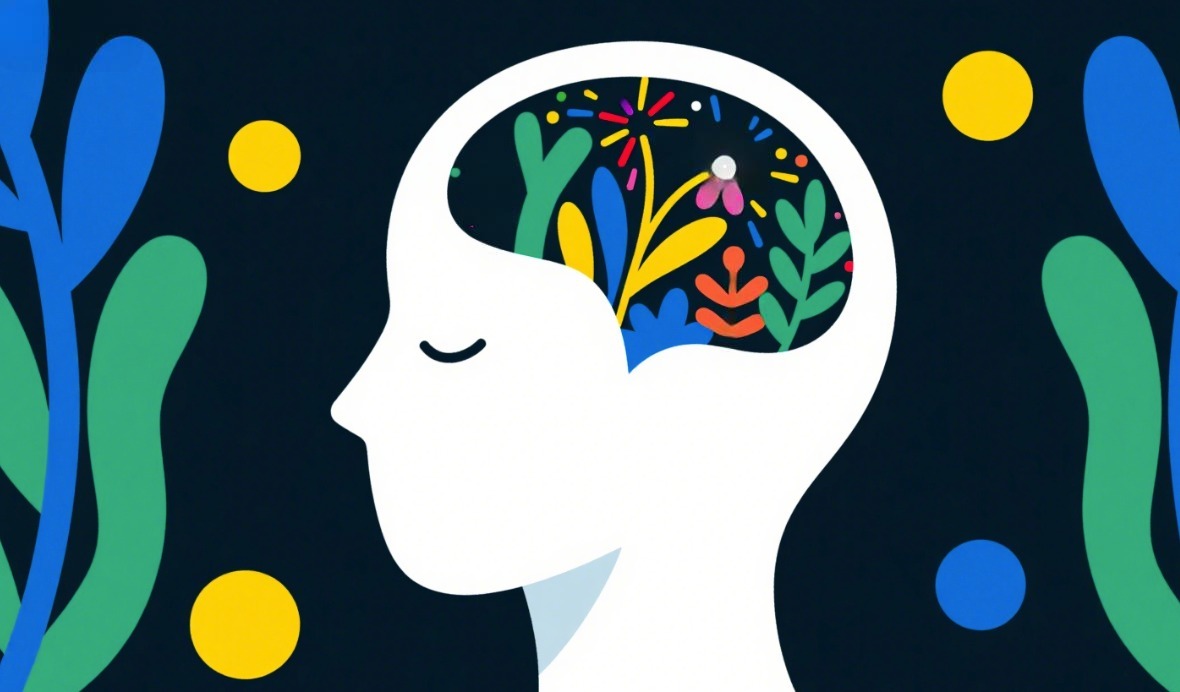
Mental age refers to a person's level of mental maturity or intellectual development, and is often used to describe an individual's thinking ability, emotional understanding, and behavioral performance relative to an average age group. It does not necessarily coincide with actual biological age, and sometimes a 30-year-old person may have a mental age of 20 or more than his or her actual age.
Understanding mental age helps us to better recognize patterns of behavior in ourselves and others, especially in the areas of education and mental health. I believe that focusing on mental age is more helpful than simply looking at physical age in helping us to develop individually appropriate programs for self-growth and social adaptation. The concept of mental age was first introduced by French psychologist Alfred Binet for the development of intelligence tests for children. It also reminds us that mental age is a dynamic, multifaceted and comprehensive indicator that cannot be used to judge a person in isolation.
Difference between Mental Age and Physiological Age
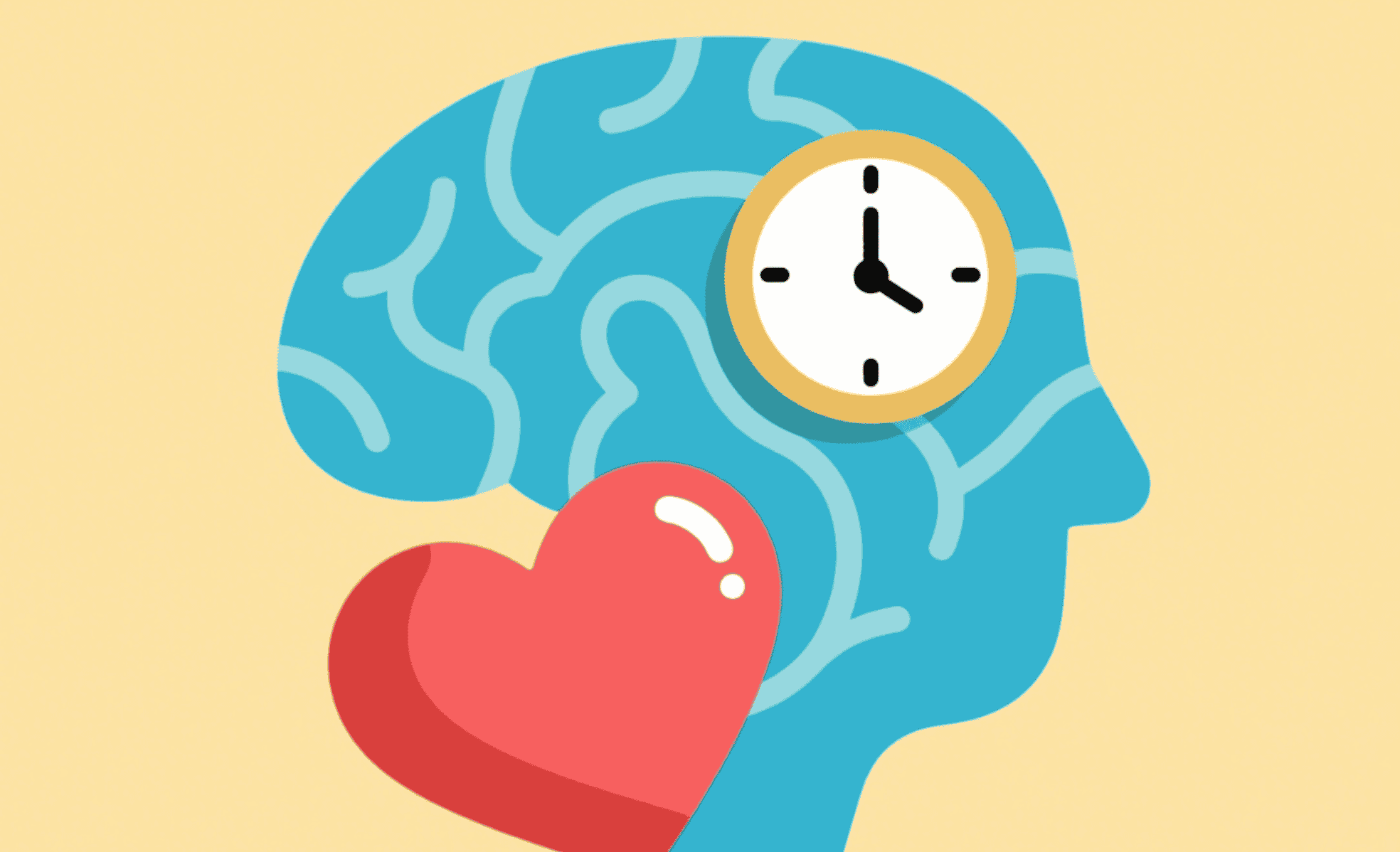
You've heard the phrase “age is just a number”, and mental age is the best proof of that. Physical age is the number of days you have actually lived, but mental age reflects the maturity of your brain and mind. Imagine two people of the same age, one is very good at handling interpersonal relationships and is emotionally stable, while the other often has emotional outbursts and does things impulsively, which is a reflection of the difference in mental age.
I have learned that social pressure and environmental influences are so strong that we should not label ourselves and others by our physical age; instead, we should see the difference in psychological age and respect each person's unique growth rhythm. In this way, communication and understanding will be smoother at home and in the workplace.

How to Test Your Mental Age?
When you think of “measuring” mental age, the first thing that comes to mind are intelligence tests. The Stanford-Binet Intelligence Scale and the Wechsler Intelligence Scale are classic tools that assess your ability to think and understand through a series of cognitive tasks and derive a mental age.
If you're interested in getting a rough estimate of your mental age, you can also use simple tests, such as the Free Brain Training. You might consider taking these tests periodically to keep track of your current mental age status.
However, don't forget that mental age is not an exact mathematical formula; it is also affected by factors such as emotional state, performance on the day of the test, etc., so the resulting figure can only be used as a reference. I suggest that we should not be too superstitious about the scores and look at it more in the context of our daily performance. After all, mental growth is a continuous and complex process, which cannot be defined by a single test.
Does Mental Age Change?
Imagine that mental age is actually like your cell phone system, which is constantly upgraded and updated, but can sometimes get stuck. Our life experiences, learning and growth can increase our mental age, such as learning to manage our emotions and enhancing our problem-solving skills. On the other hand, when we experience major stress or psychological distress, our mental age may “regress” a little bit and we may show extra vulnerability. Personally, I believe that a positive mindset and self-reflection are the keys to upgrading your mental age, and don't be afraid to seek help from counseling or skills training, as they are both good ways to “patch up” your mental age. The plasticity of our mental age tells us that there is always a chance to become more mature and stronger.
What Is the Difference Between Mental Age And IQ?
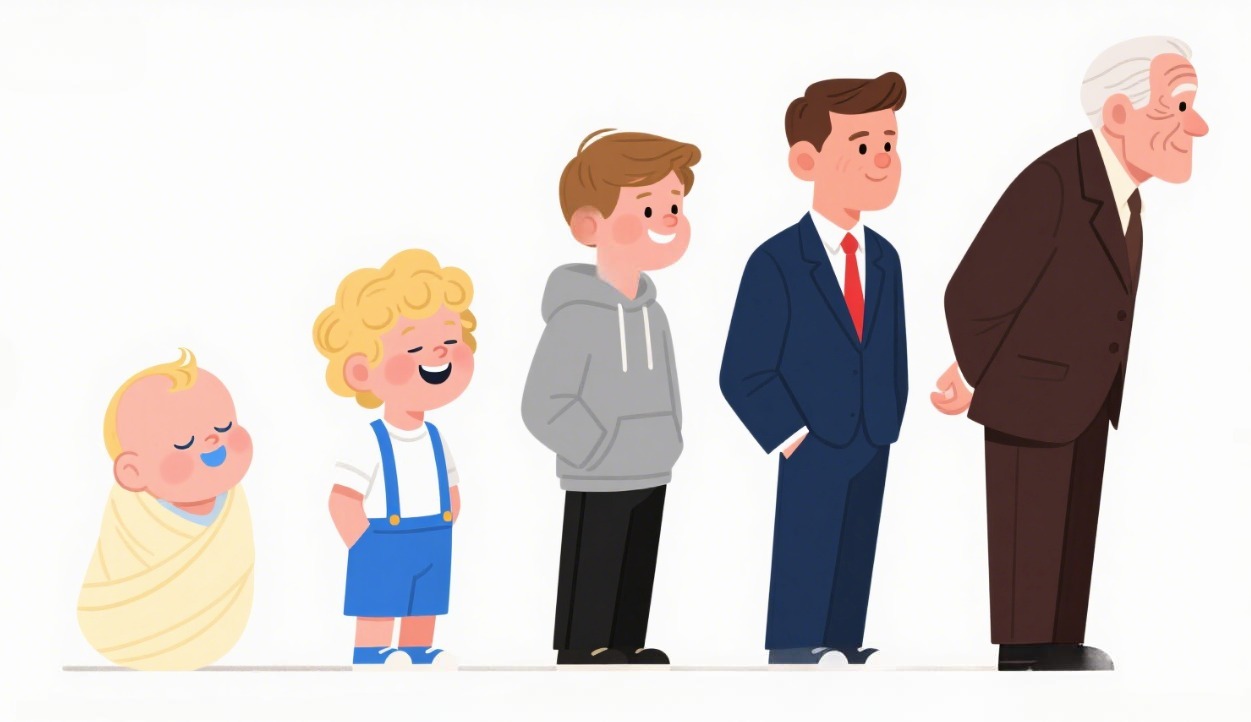
Mental age and Intelligence Quotient (IQ) are related but conceptually different. While IQ is a measure of a person's performance on a specific intelligence test, mental age is a broader concept that encompasses cognitive, emotional, social and other aspects of mental maturity. For example, a person with a high IQ may be weak in emotional control or social skills, and mental age may not exactly match the IQ results. Instead, IQ reflects quantitative cognitive abilities, while mental age emphasizes multidimensional psychological development.
I suggest avoiding simple equivalence between mental age and IQ, and instead specifically analyzing the strengths and weaknesses of an individual in order to formulate a more rational educational or developmental strategy. Reference to authoritative psychological sources shows that a comprehensive understanding of human psychological growth requires going beyond a single IQ indicator.

Final Thoughts
Mental age is like an internal “clock” - some people move incredibly fast, while others move slowly. Understanding and accepting this difference not only allows us to be more in harmony with ourselves, but also to get along better with others, beginning a true journey of psychological growth.
Disclaimer
Any assessments and their associated content on this website, regardless of date, are not intended to replace direct medical advice from your physician or other professional. If you experience severe or persistent symptoms, please consult a licensed mental health professional or healthcare provider.